
Good Earth Cotton
Cotton is the fibre we use most, so where it comes from is the decision that matters most. Good Earth Cotton is the standard we point to when people ask what better cotton actually looks like.
What Good Earth Cotton is
Good Earth Cotton is an Australian-developed cotton standard built around two ideas that most cotton cannot claim: farming practices that aim to remove more carbon from the atmosphere than production emits, and traceability that follows the fibre from the farm it grew on through to the finished cloth.
The second part is what makes the first part meaningful. Plenty of textiles carry a sustainability claim. Very few can tell you which paddock the cotton came from.
Why traceability is the hard part
Cotton is a commodity. In an ordinary supply chain it is baled, blended, sold and re-sold, and by the time it reaches a loom nobody can say where any single fibre started. Once that thread is lost, every claim made further downstream rests on paperwork rather than the cotton itself.
Farm-level traceability closes that gap. It means a claim about how the cotton was grown can be checked against the specific fibre in the specific cloth, instead of an average across an industry.
What we weave with it
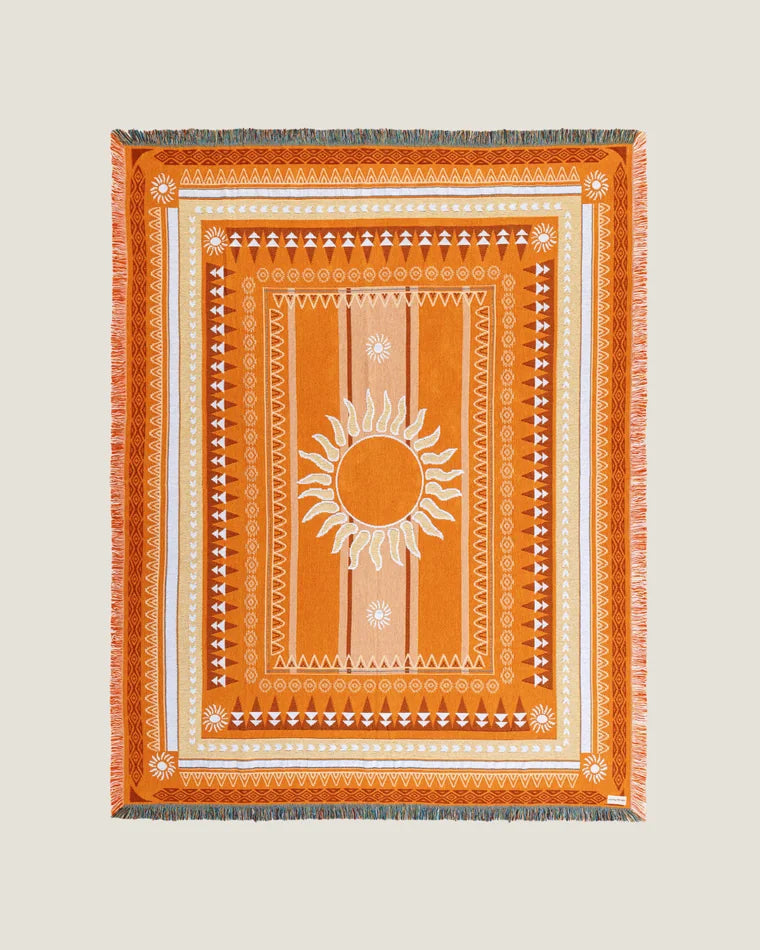
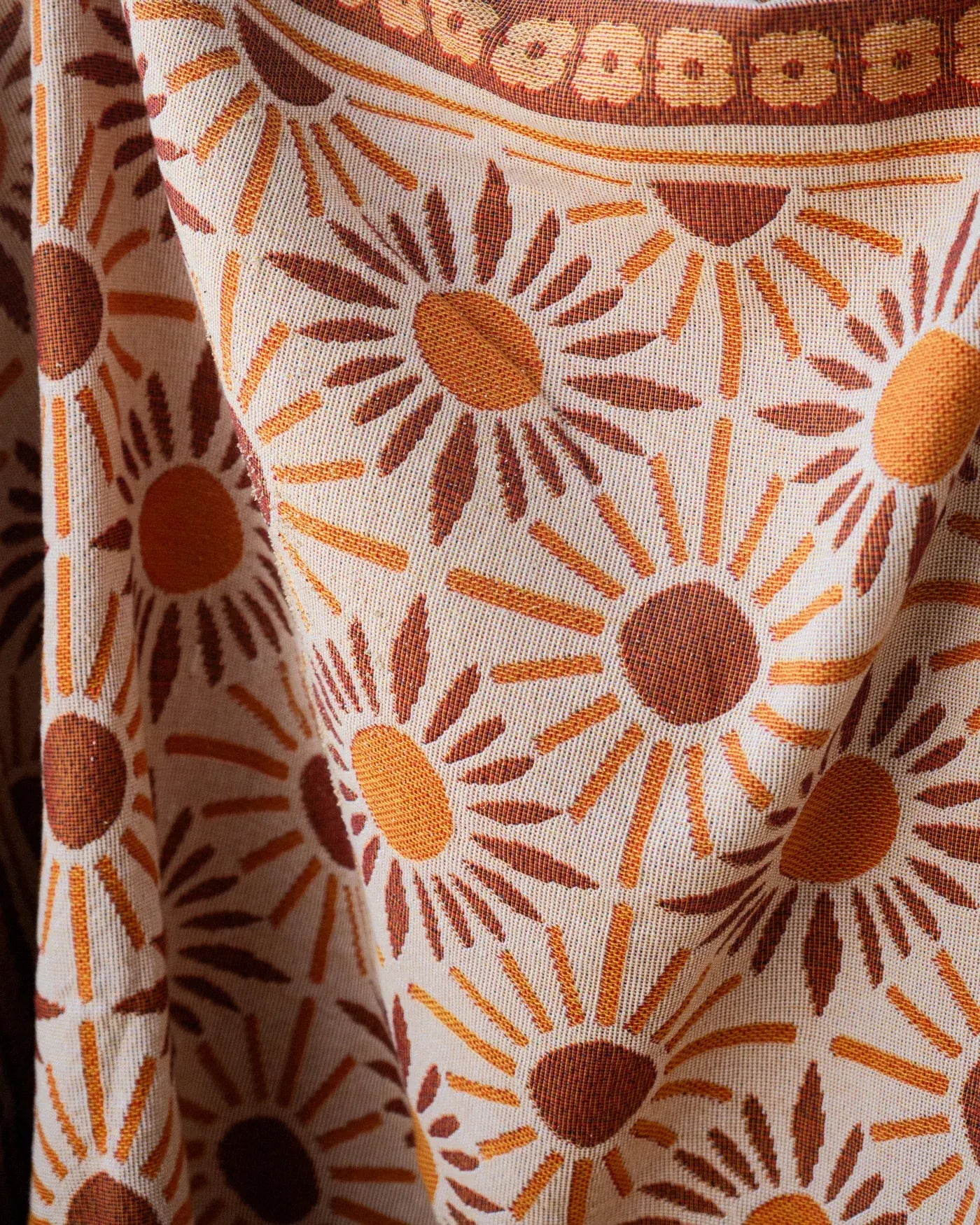
Our cotton pieces are woven from 100% organic cotton, with the pattern woven into the cloth as a jacquard rather than printed onto the surface. A printed motif sits on top of the fabric and wears off. A woven one is structural — it cannot crack, peel or fade away from the face of the cloth, because it is the cloth.
They are machine washable, and they soften with every wash rather than degrading.
- Organic cotton blankets — 200 × 160 cm, jacquard woven, made for everyday use.
- Turkish cotton towels — woven in Turkey, 100 × 200 cm, flat weave, quick drying.
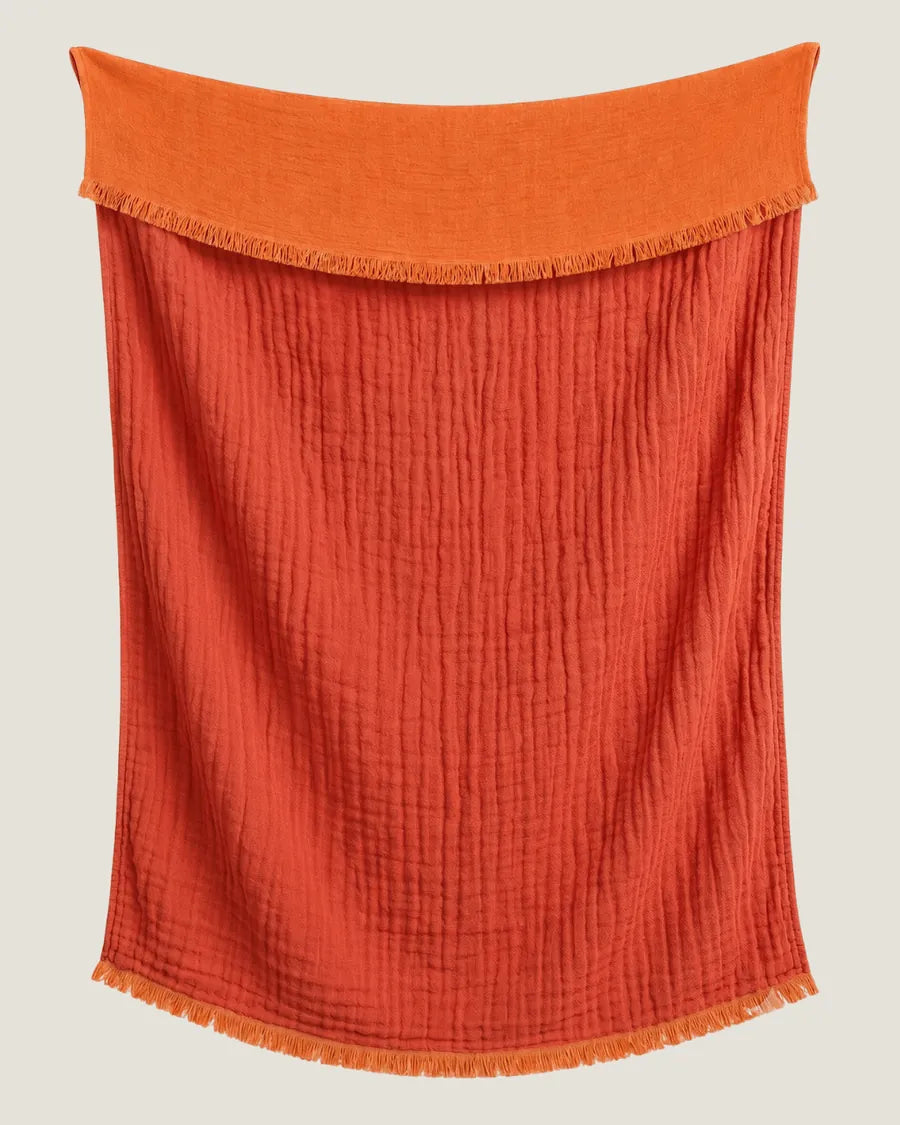
- Waffle throws — 150 × 180 cm, a dimensional weave that holds warmth without weight.
Browse the organic cotton blankets, the Turkish collection, or the waffle throws.
How to judge a claim like this
Ask three questions of any brand, including ours. Can they name the fibre content exactly, rather than describing it? Can they say where it was grown or woven? And does the claim survive contact with a detail — a size, a weave, a wash instruction — or does it only work in the abstract?
If you want to know more about the fibres we use and why, the materials page goes through each one, and the care guide covers how to look after them.